

Touch interface slot machine play: a pocket guide for Aussie punters
If you’ve wandered into a pub in Parramatta or an RSL in Geelong recently, you’ll have noticed the change before anyone explained it. The bank of chunky buttons on the side of the pokie has shrunk, and a flat glass panel takes up most of the cabinet. That panel is the touch interface, and it’s been quietly reshaping how Aussies spin the reels in clubs and online for the better part of a decade.
Online and on the floor, the hands-on experience has shifted in the same direction. Phone screens, tablet displays, and the big curved monitors at the local all rely on the same fundamentals: tap to spin, swipe to bet, finger to trigger a bonus. Joe Fortune sits among the operators who have built their whole mobile lobby around touch play, and the brand’s prominence in the local market is a useful benchmark when you’re sizing up the rest of the field.
From buttons to betting screens: how pokies went touch
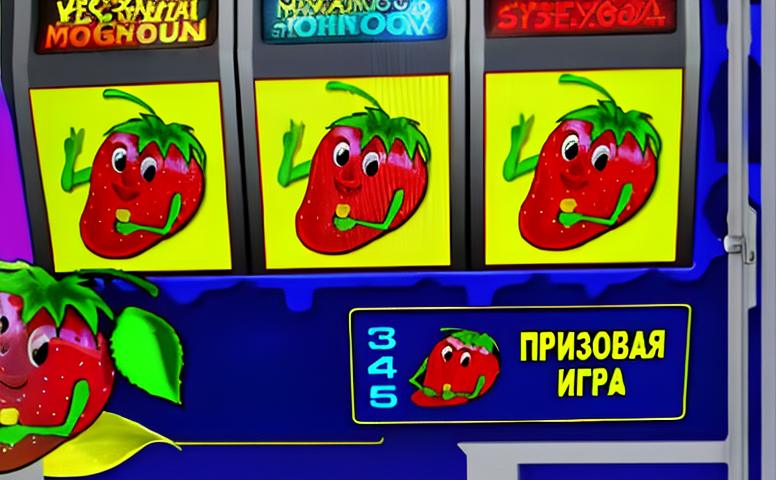
The pokies you’ll find in a Melbourne club today are a long way from the one-armed bandits of the 1980s. Modern cabinets typically run a 32-inch or larger capacitive display, the same tech that lives inside your phone. A capacitive screen detects the tiny electrical change in your fingertip when it lands on the glass, which is why a gloved hand or a wet finger won’t get the same response as a dry one. The interface then maps that tap to a software command – usually a credit increase, a spin, or a feature trigger.
In the early days of the conversion, hardware designers worried that players would miss the tactile feedback of real buttons. Most new machines now solve this with haptic nudges, gentle vibrations that buzz when a spin starts, a scatter lands, or a feature round kicks off. The reel animation still runs on the screen, but the touch layer adds a muscle-memory element that wasn’t possible when the only touchpoints were the A, B, C, D buttons and a chunky credit meter.
Online touch play on the couch or at the servo
The first thing to understand is that touch interface slot machine play doesn’t only mean the cabinet down the road. The same gesture logic has been ported to mobile and tablet versions of the same games, so an online session on a Sydney train feels physically similar to a spin at the pub. Swipe up to set your bet, tap the spin button, and pinch to expand the paytable if you want to read the fine print.
What changes between the two is mostly pacing and noise. A real machine has a quiet chime, a coin-drop sound, and the chatter of the room. A mobile session on the train is quieter, but it also moves faster because there’s no line of punters waiting behind you. Online games also tend to surface more information at once – recent wins, bonus buy options, autoplay counters – because the screen has more room than the budget panel of a physical cabinet. That denser interface is one reason new players sometimes feel overwhelmed, and it’s why a couple of operators strip a lot of the chrome away for beginners.
Aussie law, ACMA, and the geolocation gate
Touch play online runs into a wall of regulation that doesn’t exist on the club floor. The Interactive Gambling Act 2001 is the bit of legislation that sets the rules around what companies can offer to people physically located in Australia, and the Australian Communications and Media Authority (ACMA) is the body that enforces it. Licensed operators have to prove, in real time, that a player is in a jurisdiction where the game is permitted.
That’s where geolocation technology steps in. The moment you load a real-money pokie on your phone, the software pings your IP address, checks your device GPS where it’s available, and cross-references both against a list of approved regions. If the data points don’t match – say you logged in while in Brisbane, then hopped a flight to New Zealand – the session is paused or shut down. The mechanism is invisible to the player, which is by design. Adam Watson, Senior Market Analyst at Flinders Interactive Group, notes that “geolocation has become the invisible bouncer at the door of every legit Australian-facing product, and most players never see it working.” For a wider read on how Australian regulators are tracking online play, the consumer affairs desk at SBS News runs regular pieces on rule changes and enforcement actions.
Reading the screen: reels, paylines, and bonus triggers
Once you’re in a game, the touch screen is doing a lot of work in a very small space. The reels sit in the middle, usually five of them, and the spin button lives either to the right or below. Around the edges you’ll see the credit counter, the bet size, and a small menu button that opens the paytable, the rules, and the autoplay settings. Tap a symbol on the reels at any time and the game will highlight the payline that passes through it, which is genuinely useful when you’re learning how a scatter or a wild works.
Bonus rounds are where the touch layer earns its keep. Free spin triggers, hold-and-spin features, and pick-me games are all designed around finger input. A hold-and-spin style bonus, for example, asks you to tap each cash symbol as it lands to lock it in place, and the screen flashes under your finger to confirm the lock. Ruby Lee, Affiliate Partnerships Director at Brighton Beach Betting Lab, says that “the touch layer turns a passive spin into a small physical act, and that tiny bit of agency is what keeps casual players coming back.”
Picking a touch-friendly pokie to spin first
Not every title translates well to a phone screen. The best ones for touch play have big buttons, high contrast, and clean iconography. A standard 5×3 reel set with a single spin button is the easiest layout to learn, and games that pile on the side bets or add four different bonus meters can feel cramped on a smaller handset. Operators usually surface a “mobile-friendly” or “touch-optimised” tag in the lobby, which is a quick filter if you’re hunting for a greenhorn-friendly title.
A safe starting point is wolf gold slot, which sits in the simpler end of the spectrum. The spin button is large, the symbols are clear, and the free spin trigger is easy to read when the scatters land. The game also runs well on a mid-range Android phone, which matters more than people think when the screen is doing all the heavy lifting.
Joe Fortune and the wider Australian market
When you line up the main Australian-facing brands, a few things stand out. Joe Fortune shows up in most market comparisons as one of the leaders, partly because the platform was built specifically for AUD deposits and partly because the touch interface has been reworked for one-handed phone play. The rundown below maps out how a handful of the bigger names compare on the basics that matter to a touch player.
| Operator | Touch-optimised lobby | AUD account | Geolocation check | Beginner-friendly layout |
|---|---|---|---|---|
| Joe Fortune | Yes | Yes | Yes | Yes |
| PlayAussie | Yes | Yes | Yes | Moderate |
| CrownSlots | Yes | Yes | Yes | Yes |
| Bondi Spins | Yes | Yes | Yes | Moderate |
Joe Fortune tends to lead on the beginner-friendly layout specifically because the menus are stripped back and the bet sizes start at a few cents, which is a fair entry point for someone who wants to learn the screen gestures without burning through a hundred bucks in an arvo. Other brands sit closer to the international market and will sometimes show the same lobby on desktop and mobile, which can feel cluttered on a phone.
A greenhorn’s first arvo at the touch pokies
If you’ve never played a touch pokie before, the simplest way to get the hang of it is to treat the first twenty minutes as a familiarisation session, not a real-money one. Most operators, Joe Fortune included, run a demo mode on the same games you can bet on, and demo mode uses the same touch layer. Tap the spin button, swipe the bet selector, open the paytable, and trigger a bonus round if you can. The muscle memory carries over to the real-money version.
From there, set a hard budget before the first real spin. A common Aussie habit is to load exactly what you’d spend on a parma and a pot at the pub, and once that balance is gone, walk away. The touch interface makes it easy to keep tapping, because the screen is right there and there’s no physical coin to drop, so a self-imposed limit is the single most useful tool you can build in. Keep the autoplay off until you’re comfortable with how the bonus round triggers, and check the reality check or session timer that licensed operators are required to surface every so often.
Finally, don’t chase the screen. If the reels have gone cold for a long stretch, that’s a feature, not a bug. Online pokies use a random number generator that doesn’t care how long you’ve been sitting on the couch. The touch layer is designed to entertain, not to beat the maths, and the greenie who learns that first is the one who enjoys the pokies the longest.
